
 Image 1 of 1
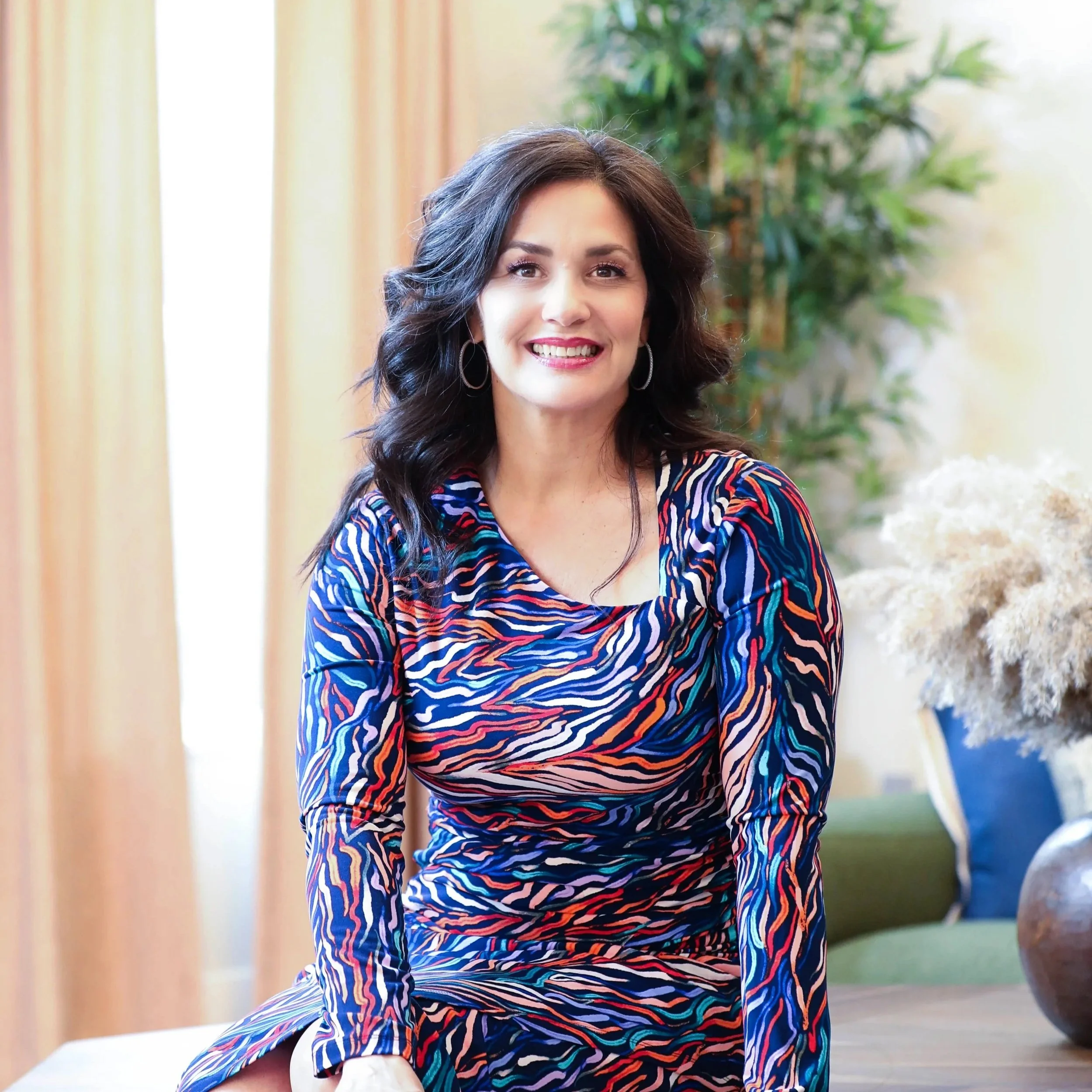
Francisca F. Mix is a Licensed Professional Counselor, Approved Clinical Supervisor, and Board-Certified Dance/Movement Therapist with over 20 years of experience in mental health, clinical training, and organizational leadership. She specializes in working with individuals, couples, and families navigating trauma, addiction, grief, depression, and relational challenges, bringing a deeply integrative and body-based approach to healing.
Francisca is also a sought-after speaker and educator, presenting nationally on topics such as trauma-informed care, clinical supervision, and private practice development. Her work is grounded in cultural humility, experiential learning, and a commitment to fostering growth, competence, and connection in both clients and professionals.
This foundational training introduces couples therapists to somatic and movement-based approaches as essential components of relational change when insight alone is not enough. Participants explore how nervous system and attachment responses shape couples’ patterns, often overriding cognitive understanding during moments of stress. The training differentiates between embodied therapist presence—such as tracking bodily cues and regulation—and intentional, consent-based movement interventions used to support awareness and felt shifts. Emphasis is placed on safety, choice, and trauma-informed pacing, with no requirement for prior movement training. Therapists leave with a clear framework for understanding the body as clinical information and how embodiment can deepen presence and insight in couples therapy.
Learning Objectives:
1. Describe how nervous system and attachment responses contribute to stuck patterns in couples therapy beyond verbal insight alone.
2. Differentiate between embodied therapist presence and movement-based interventions as complementary components of somatic couples therapy.
3. Identify at least three forms of somatic information (e.g., posture, proximity, pacing) commonly present in couples sessions.
Please note that many regulatory boards accept AAMFT course attendance to fulfill CE requirements, but do not have a pre-approval process. If in doubt, check with the board.
Francisca F. Mix is a Licensed Professional Counselor, Approved Clinical Supervisor, and Board-Certified Dance/Movement Therapist with over 20 years of experience in mental health, clinical training, and organizational leadership. She specializes in working with individuals, couples, and families navigating trauma, addiction, grief, depression, and relational challenges, bringing a deeply integrative and body-based approach to healing.
Francisca is also a sought-after speaker and educator, presenting nationally on topics such as trauma-informed care, clinical supervision, and private practice development. Her work is grounded in cultural humility, experiential learning, and a commitment to fostering growth, competence, and connection in both clients and professionals.
This foundational training introduces couples therapists to somatic and movement-based approaches as essential components of relational change when insight alone is not enough. Participants explore how nervous system and attachment responses shape couples’ patterns, often overriding cognitive understanding during moments of stress. The training differentiates between embodied therapist presence—such as tracking bodily cues and regulation—and intentional, consent-based movement interventions used to support awareness and felt shifts. Emphasis is placed on safety, choice, and trauma-informed pacing, with no requirement for prior movement training. Therapists leave with a clear framework for understanding the body as clinical information and how embodiment can deepen presence and insight in couples therapy.
Learning Objectives:
1. Describe how nervous system and attachment responses contribute to stuck patterns in couples therapy beyond verbal insight alone.
2. Differentiate between embodied therapist presence and movement-based interventions as complementary components of somatic couples therapy.
3. Identify at least three forms of somatic information (e.g., posture, proximity, pacing) commonly present in couples sessions.
Please note that many regulatory boards accept AAMFT course attendance to fulfill CE requirements, but do not have a pre-approval process. If in doubt, check with the board.