
 Image 1 of 1
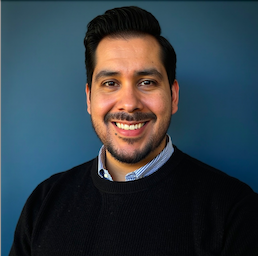
Eduardo Viezca, PhD, LCSW is a therapist, educator, and scholar whose work integrates depth psychology, decolonial studies, and culturally responsive mental health care. He serves as an affiliate and instructor at the Denver Family Institute and as an adjunct professor at Pacifica Graduate Institute, where he teaches graduate-level courses on Jungian psychology, decoloniality, and systemic therapy. His research and writing focus on liberatory approaches to psychotherapy, including Jotería psychologies and arts-based, participatory methods, and he regularly presents on identity, culture, and healing in academic and clinical spaces.
Dr. Viezca specializes in working with queer, trans, neurodivergent, and BIPOC individuals, couples, and families. His approach is relational, trauma-informed, and culturally affirming, integrating somatic, creative, and community-based practices to support meaningful change. A bilingual (Spanish-English) clinician, he is committed to creating spaces where clients can explore identity, relationships, and personal transformation in ways that honor their lived experiences.
This Train & Gain offers a historical overview of the past 200 years of American mental health discourse, focusing on how ideas about gender, sexuality, race, and childhood behavior have been constructed and challenged over time. Participants will explore how social, cultural, and political forces have shaped dominant understandings of normality and pathology. We will examine key moments in which these shifting perceptions influenced clinical frameworks, including revisions to the DSM over time. The role of social movements in challenging pathologizing narratives and advancing more inclusive understandings of human development and identity will also be explored. By placing systemic family therapy within this broader historical context, participants will be able to deepen their ability to think intersectionally and link social movements with clinical practice.
Learning Objectives:
1. Identify key historical moments that shaped U.S. mental health discourse related to gender, sexuality, race, and childhood behavior.
2. Describe how social movements influenced changes in psychiatric diagnosis, including shifts in the DSM related to sexuality.
3. Apply historical insight to deepen intersectional awareness in contemporary marriage and family therapy practice.
Please note that many regulatory boards accept AAMFT course attendance to fulfill CE requirements, but do not have a pre-approval process. If in doubt, check with the board.
Eduardo Viezca, PhD, LCSW is a therapist, educator, and scholar whose work integrates depth psychology, decolonial studies, and culturally responsive mental health care. He serves as an affiliate and instructor at the Denver Family Institute and as an adjunct professor at Pacifica Graduate Institute, where he teaches graduate-level courses on Jungian psychology, decoloniality, and systemic therapy. His research and writing focus on liberatory approaches to psychotherapy, including Jotería psychologies and arts-based, participatory methods, and he regularly presents on identity, culture, and healing in academic and clinical spaces.
Dr. Viezca specializes in working with queer, trans, neurodivergent, and BIPOC individuals, couples, and families. His approach is relational, trauma-informed, and culturally affirming, integrating somatic, creative, and community-based practices to support meaningful change. A bilingual (Spanish-English) clinician, he is committed to creating spaces where clients can explore identity, relationships, and personal transformation in ways that honor their lived experiences.
This Train & Gain offers a historical overview of the past 200 years of American mental health discourse, focusing on how ideas about gender, sexuality, race, and childhood behavior have been constructed and challenged over time. Participants will explore how social, cultural, and political forces have shaped dominant understandings of normality and pathology. We will examine key moments in which these shifting perceptions influenced clinical frameworks, including revisions to the DSM over time. The role of social movements in challenging pathologizing narratives and advancing more inclusive understandings of human development and identity will also be explored. By placing systemic family therapy within this broader historical context, participants will be able to deepen their ability to think intersectionally and link social movements with clinical practice.
Learning Objectives:
1. Identify key historical moments that shaped U.S. mental health discourse related to gender, sexuality, race, and childhood behavior.
2. Describe how social movements influenced changes in psychiatric diagnosis, including shifts in the DSM related to sexuality.
3. Apply historical insight to deepen intersectional awareness in contemporary marriage and family therapy practice.
Please note that many regulatory boards accept AAMFT course attendance to fulfill CE requirements, but do not have a pre-approval process. If in doubt, check with the board.